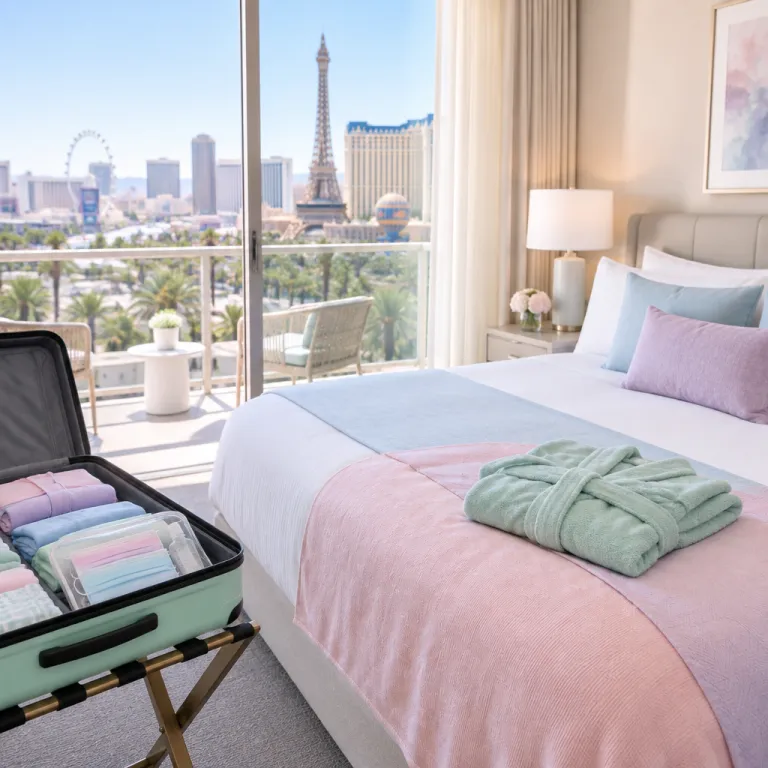
Understanding las vegas USA travel restrictions before you book your Strip hotel
Las Vegas USA travel restrictions influence every stage of your hotel search, from picking dates to choosing cancellation policies. When you plan a stay on the Strip, you must align your passport, immigration status, and hotel reservations with current rules for entering the United States. This means checking how your country is classified, what entry requirements apply to its citizens, and whether any restrictions countries list could affect your arrival in Nevada.
Travel rules are set at federal level for all states, so the same entry requirements apply whether your destination is New York or this desert city. The United States government manages border control through agencies such as U.S. Customs and Border Protection, while the Department of Homeland Security oversees security screening, which together determine who can travel and under what conditions. Las Vegas itself does not issue visas, but every hotel guest arriving from other countries must respect national immigration and security policies before they can enjoy the Strip.
For many people from visa waiver countries, an approved ESTA authorization is enough for short visits, while others need a non immigrant visa or immigrant visa before they can travel. Under the Visa Waiver Program, eligible nationals can usually stay up to 90 days for tourism or business, provided they hold a biometric passport and receive electronic approval before boarding. If you are unsure which category you fall into, build extra time into your travel plans to clarify your status and avoid last minute risk at the border.
Security concerns and health measures can trigger new travel restrictions with little warning, and these can directly affect travel to Las Vegas. The White House may announce policy shifts that tighten restrictions entry for specific regions, while agencies adjust screening procedures at airports serving the Strip. Before locking in a non refundable hotel rate, verify whether any new restrictions countries list includes your country or transit points and whether airlines have updated their boarding rules.
International travelers should also consider how weather conditions can affect travel, especially during seasons of storms that disrupt airlines international schedules. Even though Las Vegas sits far from the Caribbean Sea, hurricanes in that region can still affect travel by causing cascading delays across major hubs such as Los Angeles, Dallas, or Atlanta. When your hotel stay is tied to show tickets or conference dates, such indirect disruptions can be as damaging as direct travel restrictions.
General safety tips from official sources often focus on personal safety in crowded destinations, and Las Vegas is no exception. While the Strip is heavily monitored, people should still keep passports, visas, and other travel documents secure in hotel safes. Losing key documents can create an immigration emergency that overshadows any security concerns you might have had about nightlife or casinos.
Visas, entry requirements, and how they shape your hotel choices
Before comparing legendary Strip resorts, you need to understand which visa or authorization allows you to enter the United States. Your eligibility for a visa waiver, a standard visitor visa, or an immigrant visa will determine how long you can stay in Las Vegas and how flexible your hotel booking can be. Aligning your visa validity with your hotel dates reduces the risk of overstay issues that could affect travel in the future and complicate later applications.
Citizens of many countries can visit this destination under the Visa Waiver Program, but they still need approved electronic travel authorization and valid travel documents. People from other countries must apply for a visitor visa at a United States embassy or consulate, where consular officers review security concerns and immigration intent. In both cases, you should wait for final approval before committing to non refundable suites at high end Strip properties or prepaying for packages that are difficult to change.
Permanent residents returning to Las Vegas from international trips must carry their green card and passport from their country of citizenship. If you are a permanent resident, check that your card will not expire during your travel plans, because airline staff and border officers will examine it at every stage. Failing to meet these entry requirements can lead to denied boarding, which instantly cancels your carefully arranged hotel stay and may trigger no show fees.
Some travelers worry that Las Vegas itself has special restrictions entry rules, but the city follows the same federal framework as all other states. Security screening at McCarran International Airport, now officially Harry Reid International Airport, is conducted under Department of Homeland Security guidelines and Transportation Security Administration procedures. These measures may feel intense, yet they are designed to manage risk while keeping international tourism flowing to this major entertainment hub.
When planning a first stay on the Strip, combine visa research with practical casino guidance so your trip feels coherent from border to blackjack table. Resources that explain Las Vegas casino tips for first time players help you match your hotel choice with your gaming style and budget, from low stakes tables to high limit rooms. This integrated approach ensures that immigration rules, personal safety, and entertainment expectations all support one another.
Keep copies of all immigration documents, including visa approval pages and hotel confirmations, in both digital and printed formats. If an emergency arises, such as a missed connection or sudden travel restrictions, having organized paperwork makes it easier to work with airlines international desks and border officials. Clear documentation can be the difference between a short delay and a ruined Las Vegas holiday, especially when flights are full and rebooking options are limited.
Legendary Strip resorts and how federal rules intersect with your stay
Legendary Strip resorts like Bellagio, Caesars Palace, and The Venetian operate within the same national framework of Las Vegas USA travel restrictions that governs every international arrival. These properties focus on hospitality, yet they also rely on guests meeting entry requirements set by the United States government. When you book, the hotel assumes that your immigration status and travel documents will allow you to reach the front desk without incident and check in on time.
From a practical standpoint, your choice among these iconic hotels should reflect how confident you are about your travel plans. If your visa is still pending or your country faces evolving restrictions countries lists, consider flexible rates that allow date changes without heavy penalties. This is especially relevant for people traveling long haul from countries where security concerns or health situations can quickly affect travel permissions and airline schedules.
Some travelers prefer to stay directly on the Strip, while others choose quieter resorts just off it, and both options work well under current travel restrictions. To align your preferences with logistics, consult guides on where to stay on the Las Vegas Strip that match hotels to your travel style, from party focused towers to family friendly suites. These resources help you weigh factors like walking distances, public transport, and personal safety against your immigration timing and flight schedule.
Hotels do not police immigration status, but they must comply with general security regulations and cooperate with law enforcement when required. This means that accurate names, dates of birth, and contact specific details on your reservation should match your passport and visa. Any discrepancy can slow check in, which is frustrating after a long international journey through multiple states and time zones, and may require additional ID checks.
Weather conditions rarely disrupt life in Las Vegas itself, yet storms in other regions can still affect travel to these resorts. If a hurricane forms over the Caribbean Sea, airlines international networks may reshuffle aircraft and crews, causing delays that ripple into Nevada and other interior states. Choosing a hotel with flexible check in policies and responsive guest services can soften the impact of such external risk factors.
When evaluating legendary Strip resorts, look beyond pools and restaurants to consider emergency support and guest assistance. Ask whether the concierge can help you rebook flights, print immigration documents, or contact your embassy if travel restrictions change suddenly. A property that understands international guests and United States procedures becomes a strategic ally, not just a glamorous backdrop.
Personal safety, security concerns, and hotel policies for international guests
Personal safety in Las Vegas begins long before you step into a casino lobby. The same Las Vegas USA travel restrictions that govern your entry also reflect broader security concerns monitored by agencies like the Department of Homeland Security and U.S. Customs and Border Protection. Understanding this framework helps you interpret hotel security measures not as obstacles, but as layers of protection for international visitors.
On the Strip, large resorts employ extensive surveillance, controlled access to guest floors, and trained security teams who coordinate with local law enforcement. These measures are shaped by national security policies and by lessons learned from major events across the United States, where high profile destinations must balance openness with risk management. For travelers from other countries, such visible security can feel intense, yet it significantly enhances personal safety in crowded public spaces.
Inside your room, use the safe for passports, visas, and other critical travel documents, keeping only copies in your day bag. If you lose original documents, resolving the situation may require contact with your consulate, airlines international offices, and sometimes immigration authorities. Hotels that are accustomed to international guests can often provide faxing, printing, and scanning support during such an emergency.
General safety tips for Las Vegas include staying aware of your surroundings, limiting visible displays of cash, and using licensed taxis or rideshare services. People who arrive after long flights from distant countries are especially vulnerable to fatigue, which can cloud judgment during late night walks along the Strip. Planning your first evening conservatively allows you to adjust to time zones and recover from the stress of border controls and security screening.
While the White House and federal agencies focus on macro level travel restrictions, individual hotels implement micro level policies such as ID checks at check in and key card access to elevators. These procedures may feel repetitive, but they are designed to protect guests from unauthorized visitors and to support law enforcement if an incident occurs. When choosing between legendary Strip resorts, consider how comfortable you feel with their visible security presence and protocols.
For travelers who prefer quieter experiences or who do not gamble, planning content that highlights non gaming attractions can be invaluable. Guides dedicated to planning Las Vegas for nongamblers help you select neighborhoods and hotels that align with your comfort level and personal safety priorities. Combining such insights with awareness of current travel restrictions creates a more controlled, reassuring stay.
Managing emergencies, cancellations, and shifting las vegas USA travel restrictions
Even the best planned Las Vegas trip can be disrupted by sudden changes in Las Vegas USA travel restrictions. Government decisions, health advisories, or security incidents can alter who may enter the United States and under what conditions. When your hotel booking is tied to such variables, flexibility becomes as important as location or view.
Before confirming a non refundable stay at a legendary Strip resort, review the cancellation and modification policies in detail. Look for options that allow date changes without heavy penalties if restrictions entry rules tighten for your country or transit hubs. People from regions with higher perceived risk should be especially cautious, as policy shifts can occur faster than airlines international schedules can adapt and reassign aircraft.
Travel insurance that covers trip interruption, medical emergencies, and accommodation costs can be a crucial buffer. Policies vary widely between countries, so read the fine print to see whether government imposed travel restrictions are treated as covered events. If you are a permanent resident or hold an immigrant visa, confirm that your specific status does not limit eligibility for certain benefits or reimbursement categories.
In an emergency, your first calls should be to your airline, your hotel, and your embassy or consulate, in that order. Airlines can advise how weather conditions or security concerns affect travel, while hotels can adjust check in dates or hold rooms if you are delayed. Consular staff can help with replacement documents, contact specific authorities, and clarify how national policies from the White House or other agencies apply to your situation.
Las Vegas itself is rarely the epicenter of natural disasters, but disruptions elsewhere, including storms over the Caribbean Sea, can still affect travel to Nevada. When aircraft and crews are repositioned to handle such events, flights to the United States interior may be delayed or canceled. Building a buffer night into your travel plans, especially before important conferences or events, can protect you from cascading schedule failures.
Legendary Strip resorts often have dedicated guest services teams who are experienced in handling international emergencies. They can help you print immigration documents, liaise with airlines international desks, and sometimes extend your stay at negotiated rates if outbound travel restrictions persist. Choosing a hotel with such capabilities is a strategic decision, not just a luxury preference.
Aligning your Strip hotel strategy with evolving international travel realities
Booking a hotel in Las Vegas today means thinking beyond room size and pool design. The interplay between Las Vegas USA travel restrictions, international flight networks, and domestic security policies shapes how smoothly you move from airport to check in. Treating these factors as part of your hotel strategy, rather than background noise, leads to a more resilient trip.
Start by mapping your entire journey from your home country to your chosen resort, including every transit point and potential risk. Check whether any restrictions countries lists affect your route, especially if you connect through hubs in regions prone to political tension or severe weather. People who rely on complex itineraries should favor flexible hotel rates and loyalty programs that allow easy rebooking when flights change.
Next, align your length of stay with the validity of your visa, ESTA, or resident status in the United States. Overstaying, even by a short period, can create long term immigration consequences that affect travel to Las Vegas and other destinations. Legendary Strip resorts will not monitor your departure date, so the responsibility for compliance rests entirely with you.
Consider how personal safety priorities influence your choice between mega resorts, quieter properties, and off Strip options. Some travelers feel more secure in large complexes with visible security teams, while others prefer smaller environments where staff quickly recognize regular guests. In both cases, confirm that the hotel can assist with emergencies involving lost documents, sudden travel restrictions, or health issues.
Finally, remember that Las Vegas is one city within a vast network of states, each with its own attractions and logistical challenges. If your travel plans include road trips to nearby national parks or other United States destinations, factor in driving times, weather conditions, and potential border checkpoints. A well structured itinerary reduces stress, leaving you free to enjoy the Strip’s legendary energy once you have cleared immigration and settled into your room.
By treating immigration rules, security frameworks, and hotel policies as interconnected elements, you transform a potentially fragile trip into a robust experience. Las Vegas rewards travelers who prepare thoroughly, respect entry requirements, and stay informed about evolving government guidance. With that foundation in place, your chosen resort becomes not just a place to sleep, but the secure base for an unforgettable stay.
Key statistics on international travel to Las Vegas and the United States
- The Las Vegas Convention and Visitors Authority reported that international visitors typically represent around 14–20 percent of total annual arrivals, highlighting how strongly the city depends on cross border travel. In 2023, overall visitation reached roughly 40 million people, with several million coming from abroad. (Source: Las Vegas Convention and Visitors Authority, annual visitor statistics reports.)
- According to the U.S. Travel Association, international inbound travel to the United States has historically generated well over 150 billion U.S. dollars in annual spending, underlining the economic importance of clear and predictable entry requirements. In some recent pre pandemic years, spending by overseas visitors exceeded 180 billion dollars. (Source: U.S. Travel Association, data on international visitor spending.)
- Data from Harry Reid International Airport show that the airport handles tens of millions of passengers each year, with several million arriving on international routes, which makes coordinated security and immigration procedures critical for smooth hotel check ins. In 2023, total passenger volume surpassed 57 million, reflecting strong recovery in both domestic and overseas travel. (Source: Harry Reid International Airport annual passenger traffic summaries.)
- U.S. Customs and Border Protection reports processing hundreds of millions of travelers at air, land, and sea ports annually, demonstrating the scale at which homeland security and immigration systems must operate to manage risk while supporting tourism. In recent years, CBP has routinely inspected more than 250 million arriving travelers per year. (Source: U.S. Customs and Border Protection, annual travel and trade statistics.)
FAQ about las vegas USA travel restrictions and hotel bookings
Do I need a visa to visit Las Vegas for a hotel stay
Whether you need a visa depends on your nationality and the purpose of your trip. Citizens of Visa Waiver Program countries can usually visit the United States for short stays with an approved ESTA, while others must obtain a visitor visa in advance. Always confirm requirements with official government sources before booking non refundable hotel rooms or paying in full for Strip packages.
Can changing travel restrictions cancel my Las Vegas hotel reservation
Government imposed travel restrictions do not automatically cancel hotel bookings, but they can prevent you from reaching Las Vegas. If your country becomes subject to new restrictions entry rules, you must work directly with the hotel to modify or cancel your stay. Choosing flexible rates and reading cancellation policies carefully reduces financial risk and improves your chances of rebooking.
How early should I apply for a visa before booking a Strip resort
Apply for your visa as early as possible, ideally several months before your intended travel date. Consular appointment availability and processing times vary widely between countries, and delays can easily affect travel plans. It is safer to wait for visa approval before committing to expensive legendary Strip resorts or time sensitive event packages.
Are there special safety tips for international guests in Las Vegas hotels
International guests should secure passports and immigration documents in hotel safes, keep digital copies, and carry only what is necessary when walking the Strip. Use licensed transport, stay aware in crowded areas, and avoid leaving drinks unattended in bars or casinos. These basic personal safety habits complement the extensive security measures that major resorts already maintain.
Can weather in other regions affect my trip to Las Vegas
Yes, severe weather in other regions, including hurricanes over the Caribbean Sea, can disrupt airlines international networks and delay flights into the United States. Even if Las Vegas itself has clear skies, aircraft and crew shortages elsewhere may affect travel schedules. Building time buffers into your itinerary and choosing flexible hotel bookings helps you absorb such disruptions without losing your entire trip.